Skip to content

Join Friends of Palestine

Friends of Palestine

Friends of Palestine

  • Home
  • About Palestine
  • EventsExpand
    • Upcoming Events
    • Stand with Palestine
    • Boycott Campaign Workshop
    • Nakba Day Commemoration
    • Film Night: Voices from Palestine
  • About UsExpand
    • Who We Are
    • Our Campaigns
  • Contact
Instagram TikTok X
Join Us
Friends of Palestine

About Palestine​

Lorem ipsum dolor sit amet, consectetur adipiscing elit, sed do eiusmod tempor incididunt ut labore et dolore magna aliqua.

450 BCE

You can trace the word ‘Palestine’ back almost 2500 years ago. Palestinians have always had close ties to their land.

1500s to 1900s

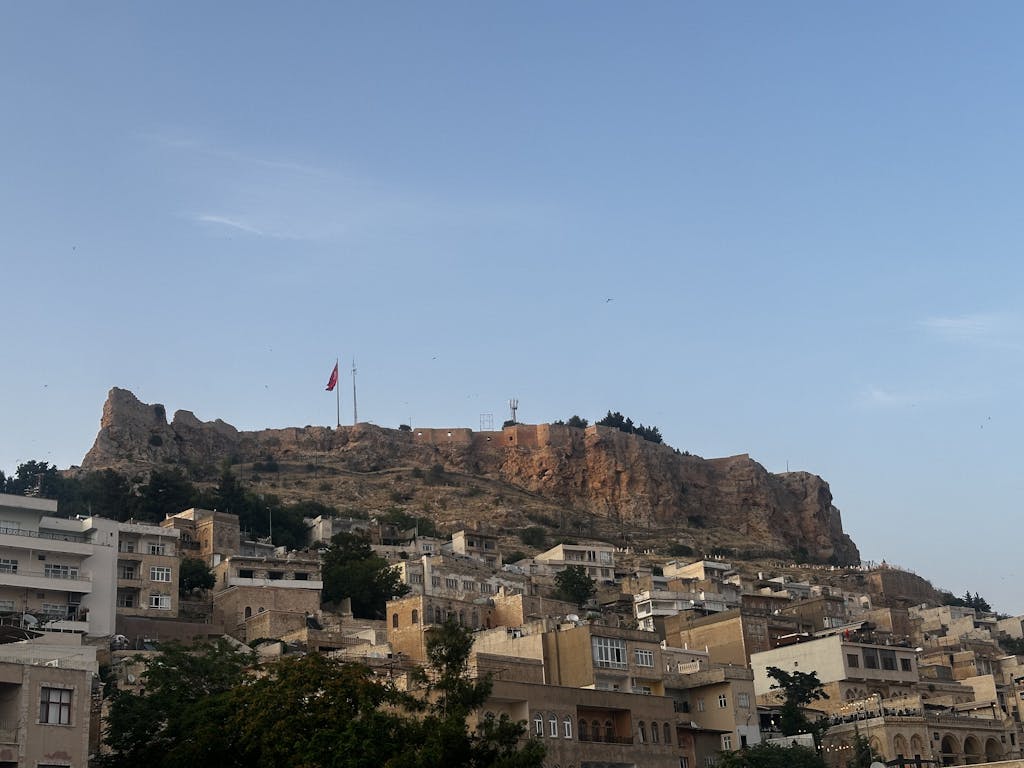
Palestine was part of the Ottoman Empire, which spanned from South-eastern Europe and Western Asia to North Africa, with Constantinople (now Istanbul) as its capital. Palestine’s economy was booming and there was massive progress in health and education.
1880s

A political movement called Zionism started. This promoted the idea of moving European Jews to Palestine. This faced mixed reactions from the Jewish community.
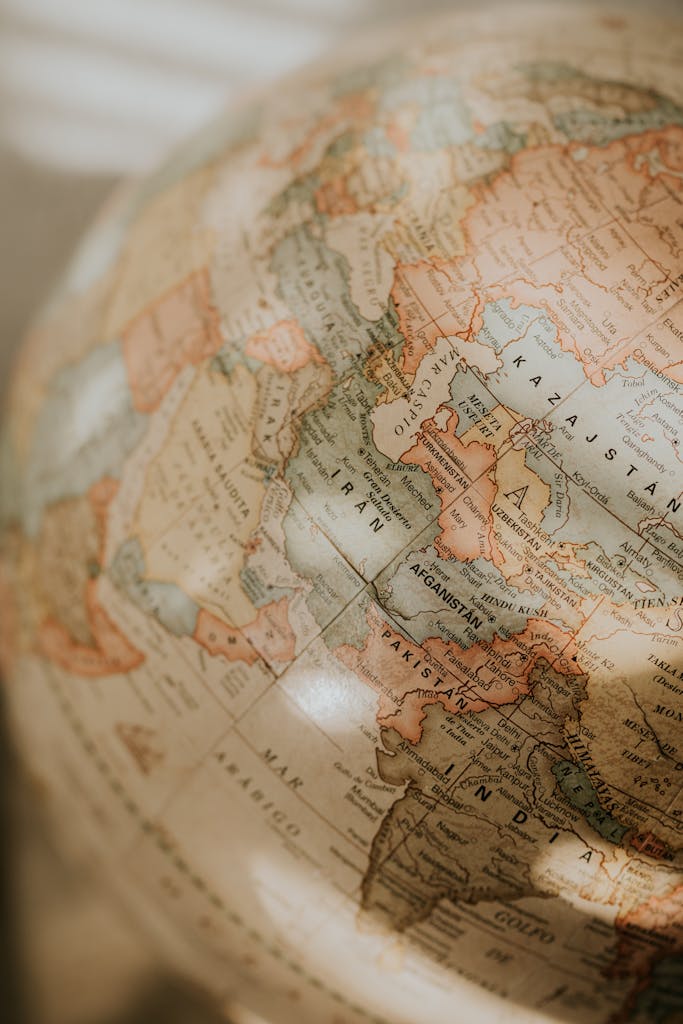
Close-up of a vintage globe focusing on the Middle East with warm tones and detailed cartography.

What’s Happening?

Life Under Occupation

Learn more about the everyday realities faced by Palestinians under occupation. From forced evictions and checkpoints to restrictions on movement and access to resources. These stories highlight the urgent need for awareness and action.

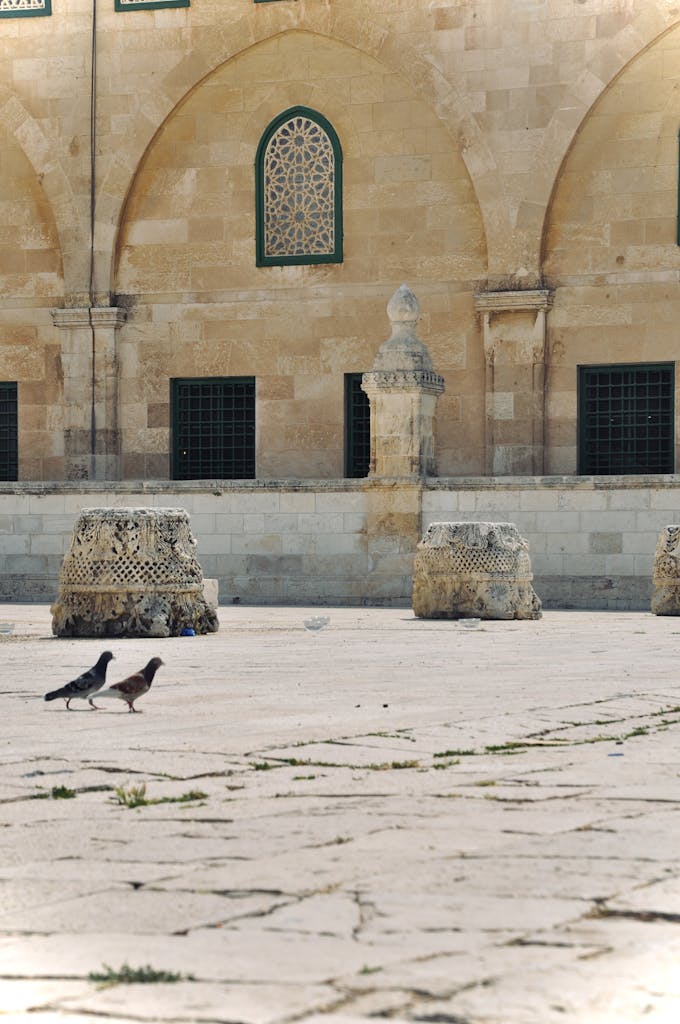
  • Pigeons walking in the courtyard of Masjid Al-Aqsa, Jerusalem's historic mosque.

    Life at the Checkpoints

    Duis aute irure dolor in reprehenderit in voluptate velit esse cillum dolore eu fugiat nulla pariatur. Sed arcu non odio…
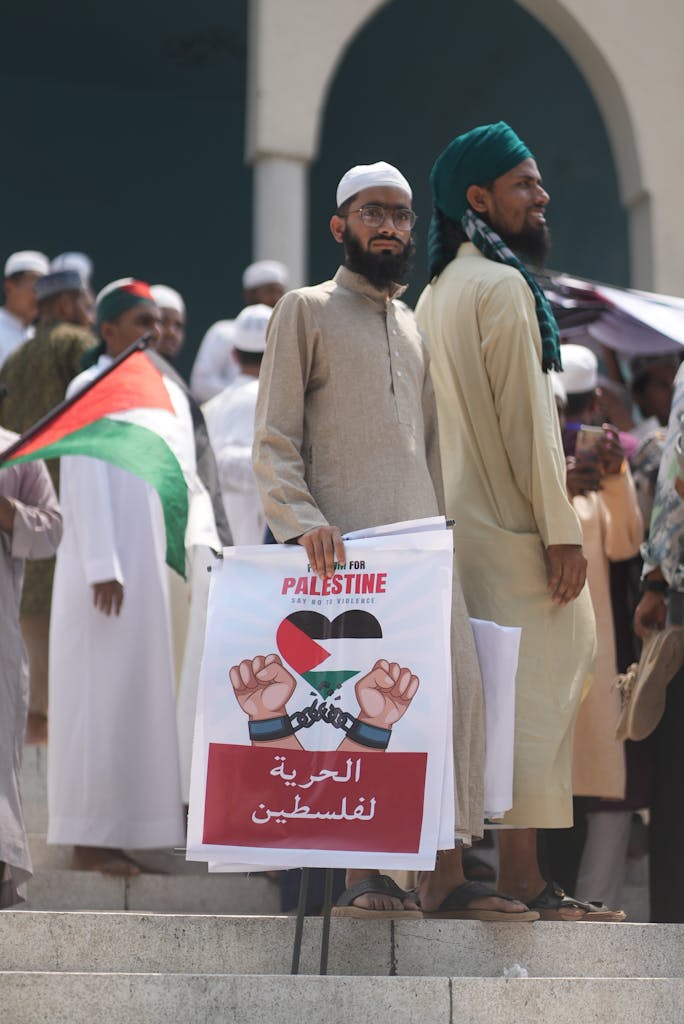
  • Dhaka, Bangladesh - April 12, 2025: A Huge protest march and rally in favor of the Palestinians demanding a ceasefire.

    Losing Our Homes

    Duis aute irure dolor in reprehenderit in voluptate velit esse cillum dolore eu fugiat nulla pariatur. Sed arcu non odio…
  • Demonstrators in Jakarta rally for Palestine with impactful signs and expressions of solidarity.

    Water Denied

    Duis aute irure dolor in reprehenderit in voluptate velit esse cillum dolore eu fugiat nulla pariatur. Sed arcu non odio…
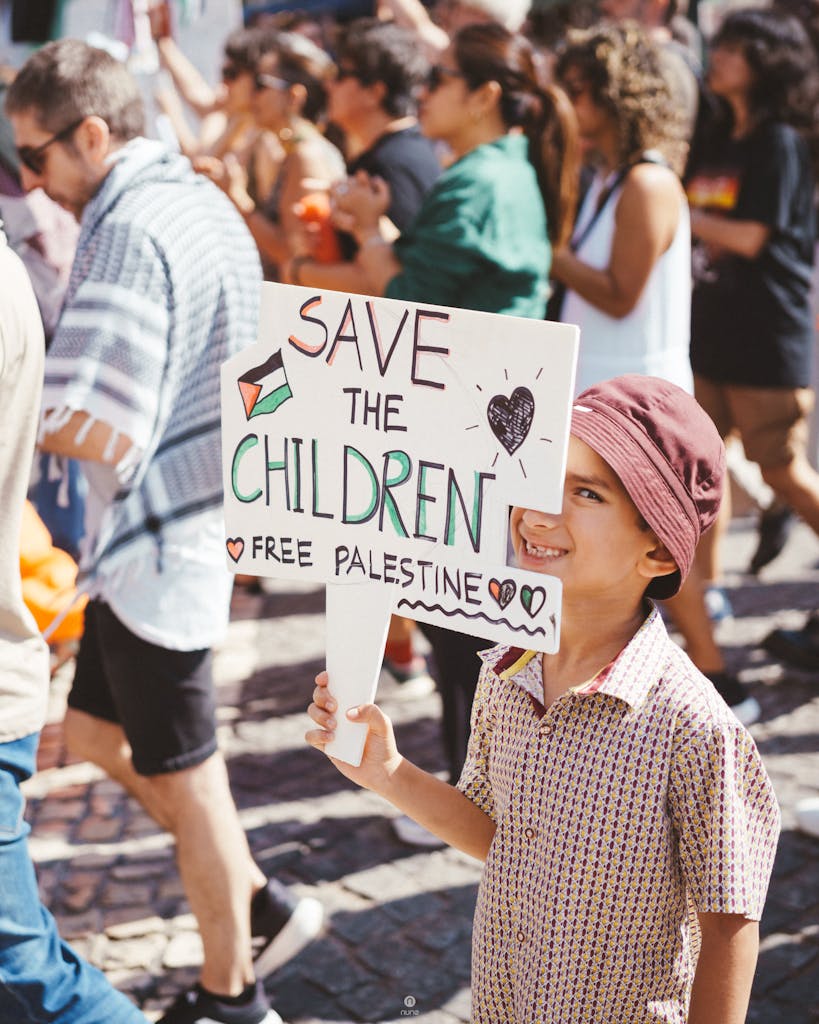
  • A child at a protest rally holding a sign advocating for Palestinian children's rights.

    Children in Detention

    Duis aute irure dolor in reprehenderit in voluptate velit esse cillum dolore eu fugiat nulla pariatur. Sed arcu non odio…

Background Matters

What You Should Know

The situation in Palestine is complex, often misrepresented, and deeply misunderstood. This section is here to provide clear answers, challenge common myths, and help you engage with the facts — confidently and compassionately.
  • Key Questions
  • Common Misconceptions
  • Glossary of Terms

Occupation refers to when a country takes military control over land that isn’t legally theirs.
In Palestine’s case, Israel occupies the West Bank, East Jerusalem, and controls access to Gaza — all territories considered occupied under international law.
This occupation denies Palestinians basic rights such as freedom of movement, access to water, education, healthcare, and the ability to govern themselves.

Gaza has been under an Israeli-led land, air, and sea blockade since 2007.
This blockade restricts the movement of people and goods, including food, medicine, fuel, and construction materials, leading to widespread hardship and a humanitarian crisis.
It is often described as collective punishment of the entire population.

Apartheid is a system where one group dominates another through laws, policies, and practices based on identity — especially ethnicity or nationality.
Major human rights organisations, including Amnesty International and Human Rights Watch, have concluded that Israel’s treatment of Palestinians constitutes apartheid.
This includes separate legal systems, movement restrictions, land confiscations, and denial of political rights.

BDS stands for Boycott, Divestment, and Sanctions — a non-violent, Palestinian-led movement.
It calls on people and institutions to pressure Israel to comply with international law through peaceful means:

  • Boycotting companies and products that support the occupation
  • Divesting funds from institutions complicit in oppression
  • Sanctioning Israel until it respects Palestinian rights

This framing ignores the power imbalance. Israel is a highly militarised state occupying Palestinian land. Palestinians live under military control, with restricted rights and little power to change their situation.

This is false and dangerous. The Palestinian struggle is against occupation and injustice — not against Jewish people. Many Jewish individuals and groups around the world stand in solidarity with Palestinians and oppose Israeli government policies.

The blockade affects over 2 million civilians, half of them children. Collective punishment is illegal under international law. Regardless of who governs Gaza, civilians have the right to food, medicine, and freedom of movement.

Criticism of any state’s policies is not inherently antisemitic. Opposing Israeli government actions that violate human rights is not the same as targeting Jewish people. In fact, many Jewish voices support Palestinian rights.

Military control by one power over another people’s land. In Palestine, this refers to Israel’s control over the West Bank, East Jerusalem, and its blockade of Gaza.

A system of legal and political separation and inequality. Used to describe Israel’s treatment of Palestinians, where different laws, rights, and access apply based on ethnicity and nationality.

Arabic for “catastrophe.” Refers to the mass displacement of Palestinians in 1948 during the creation of the state of Israel, when over 700,000 people were expelled from their homes.

Israeli communities built on occupied Palestinian land, illegal under international law. They displace Palestinians and are often accompanied by land confiscation and military protection.

  • Boycotting companies and products that support the occupation
  • Divesting funds from institutions complicit in oppression
  • Sanctioning Israel until it respects Palestinian rights

Military-controlled crossings that restrict Palestinian movement, especially within the West Bank. They often separate families, workers, students, and patients from basic services.

The closure of Gaza’s borders by Israel (and Egypt), restricting goods, medicine, and people from entering or leaving. It contributes to severe humanitarian conditions.

Military control by one power over another people’s land. In Palestine, this refers to Israel’s control over the West Bank, East Jerusalem, and its blockade of Gaza.

A system of legal and political separation and inequality. Used to describe Israel’s treatment of Palestinians, where different laws, rights, and access apply based on ethnicity and nationality.

Arabic for “catastrophe.” Refers to the mass displacement of Palestinians in 1948 during the creation of the state of Israel, when over 700,000 people were expelled from their homes.

Israeli communities built on occupied Palestinian land, illegal under international law. They displace Palestinians and are often accompanied by land confiscation and military protection.

  • Boycotting companies and products that support the occupation
  • Divesting funds from institutions complicit in oppression
  • Sanctioning Israel until it respects Palestinian rights

Military-controlled crossings that restrict Palestinian movement, especially within the West Bank. They often separate families, workers, students, and patients from basic services.

The closure of Gaza’s borders by Israel (and Egypt), restricting goods, medicine, and people from entering or leaving. It contributes to severe humanitarian conditions.

Military control by one power over another people’s land. In Palestine, this refers to Israel’s control over the West Bank, East Jerusalem, and its blockade of Gaza.

A system of legal and political separation and inequality. Used to describe Israel’s treatment of Palestinians, where different laws, rights, and access apply based on ethnicity and nationality.

Arabic for “catastrophe.” Refers to the mass displacement of Palestinians in 1948 during the creation of the state of Israel, when over 700,000 people were expelled from their homes.

Israeli communities built on occupied Palestinian land, illegal under international law. They displace Palestinians and are often accompanied by land confiscation and military protection.

  • Boycotting companies and products that support the occupation
  • Divesting funds from institutions complicit in oppression
  • Sanctioning Israel until it respects Palestinian rights

Military-controlled crossings that restrict Palestinian movement, especially within the West Bank. They often separate families, workers, students, and patients from basic services.

The closure of Gaza’s borders by Israel (and Egypt), restricting goods, medicine, and people from entering or leaving. It contributes to severe humanitarian conditions.

Military control by one power over another people’s land. In Palestine, this refers to Israel’s control over the West Bank, East Jerusalem, and its blockade of Gaza.

A system of legal and political separation and inequality. Used to describe Israel’s treatment of Palestinians, where different laws, rights, and access apply based on ethnicity and nationality.

Arabic for “catastrophe.” Refers to the mass displacement of Palestinians in 1948 during the creation of the state of Israel, when over 700,000 people were expelled from their homes.

Israeli communities built on occupied Palestinian land, illegal under international law. They displace Palestinians and are often accompanied by land confiscation and military protection.

  • Boycotting companies and products that support the occupation
  • Divesting funds from institutions complicit in oppression
  • Sanctioning Israel until it respects Palestinian rights

Military-controlled crossings that restrict Palestinian movement, especially within the West Bank. They often separate families, workers, students, and patients from basic services.

The closure of Gaza’s borders by Israel (and Egypt), restricting goods, medicine, and people from entering or leaving. It contributes to severe humanitarian conditions.

Join The Cause

Friends of Palestine

United for justice, freedom, and human rights in Palestine.

Ealing Town Hall,
London W5 2BY

+123-456-789

Our Events

  • All Events
  • Stand with Palestine
  • Boycott Campaign Workshop
  • Nakba Day Commemoration
  • Film Night: Voices from Palestine

Useful Links

  • Donate
  • Contact
  • Who We Are
  • FAQs
  • Privacy Policy

Help Make Change Happen.

© 2025 Friends of Palestine

  • Home
  • About Palestine
  • Events
    • Upcoming Events
    • Stand with Palestine
    • Boycott Campaign Workshop
    • Nakba Day Commemoration
    • Film Night: Voices from Palestine
  • About Us
    • Who We Are
    • Our Campaigns
  • Contact